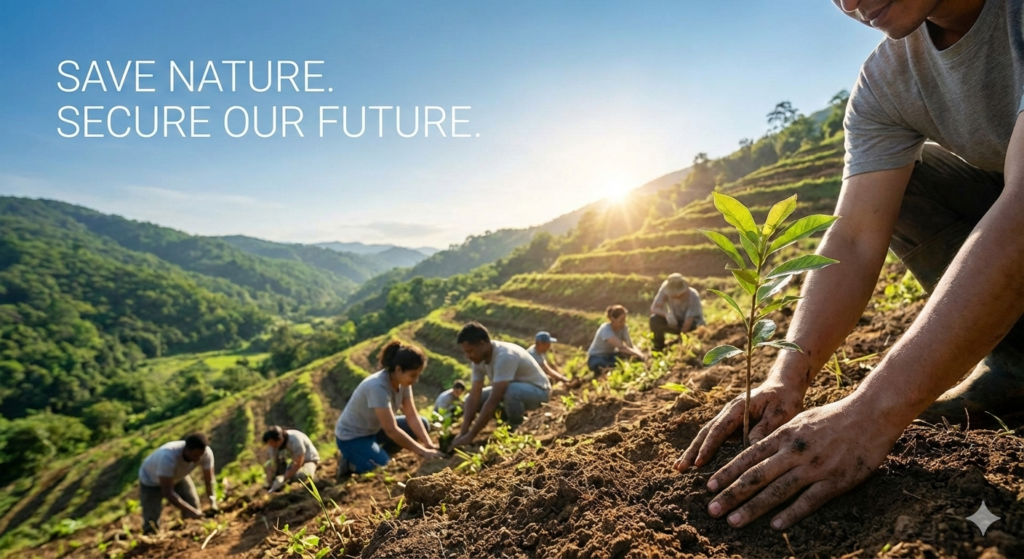
Let’s start with a breath. Inhale deeply. That air—fresh, clean, and life-giving—is a gift from a complex, silent partner: nature. Now, picture the favorite natural space from your childhood. A shady backyard tree, a local creek, a park where you chased fireflies. Is it still the same? For many of us, the answer is a hesitant “no.” That creek might be culverted, the park paved over, the tree long gone.
This personal sense of loss echoes a global crisis. But here’s the truth we must embrace: saving nature is not a charitable act for distant pandas; it is the non-negotiable foundation for human survival, well-being, and prosperity. It’s time to move beyond the overwhelming headlines and connect the dots between the soil under our feet, the food on our plates, and our future. This is a practical, hopeful guide to why it matters and how we can all contribute, meaningfully.
The Unseen Backbone: Nature as Our Life-Support System
We often think of nature as a separate entity—a scenic backdrop for our lives. In reality, it is our most critical infrastructure. The World Economic Forum estimates that over half of the world’s total GDP ($44 trillion) is moderately or highly dependent on nature and its services.
Consider your average Tuesday:
- Your morning coffee or tea? Pollinated by bees and grown in a stable climate.
- The clean water from your tap? Filtered through wetlands and forest watersheds.
- The medicine in your cabinet? Over 25% of modern medicines are derived from rainforest plants.
- The stability of your home? Mangrove forests and coral reefs buffer coastal communities from devastating storms.
We are dismantling this intricate, life-giving system at a breakneck pace. The WWF’s Living Planet Report 2022 documented an average 69% decline in global mammal, bird, fish, reptile, and amphibian populations since 1970. This isn’t just about iconic species disappearing; it’s about the collapse of the natural systems that provide our food, water, and security. As ecologist Dr. Thomas Lovejoy, often called the “godfather of biodiversity,” warned, “If you take away all the parts of an airplane, you don’t have an airplane anymore. We are taking apart our biological airplane while we are flying it.”
The Connection You Feel: Nature and Your Wellbeing
The crisis isn’t just ecological; it’s profoundly personal. The Japanese practice of Shinrin-yoku, or “forest bathing,” is now backed by robust science. Studies show that time in nature lowers cortisol (the stress hormone), reduces blood pressure, and improves mood and focus. A seminal study published in Scientific Reports found that spending at least 120 minutes a week in nature is associated with good health and wellbeing.
Think about how you felt after a walk in the woods or a day at the beach. That peace isn’t an accident. It’s a biological response. By degrading natural spaces, we are literally eroding a vital, free public health resource. Saving nature, therefore, is an act of preserving our own mental and physical sanctuary.
From Overwhelm to Action: A Tiered Approach for Real Impact
Facing planetary-scale problems can make individual action feel pointless. This is a fallacy. Collective change is built on millions of individual choices. Here’s a practical, tiered approach to start making a difference where you live.

Level 1: Transform Your Personal Habitat (Your Home & Habits)
This is your circle of direct control. Small, consistent actions here create powerful ripples.
- Redefine Your Plate: The global food system is the single greatest driver of biodiversity loss. You don’t need to go vegan overnight. Embrace the “Climatarian” diet: prioritize plants, reduce meat (especially beef and lamb, which have outsized land and water footprints), and choose sustainably sourced seafood (look for MSC or ASC certifications). If every American skipped one meal of chicken per week and ate plants instead, the carbon savings would be equivalent to taking 500,000 cars off the road.
- Wage War on Waste: Move beyond recycling to the core tenets: Reduce, Reuse, then Recycle. Compost your food scraps. Home composting keeps organic matter out of landfills where it produces methane, a potent greenhouse gas, and instead creates “black gold” for your garden. Start a simple countertop bin—it’s easier than you think.
- Rewild Your Space: Whether you have a acres of land or a window box, you can create habitat. Plant native species. Native oaks, for example, support over 500 species of caterpillars, which are essential bird food. A non-native ornamental tree might support fewer than 5. Let a corner of your yard go “messy” with leaves and logs to shelter insects and pollinators.
Level 2: Influence Your Community Circle
Extend your impact to your neighborhood, workplace, and social networks.
- Become a Citizen Scientist: Use apps like iNaturalist to document local flora and fauna. This data helps scientists track species health and migration patterns. It also deepens your connection to your local ecosystem.
- Champion Green Spaces: Advocate for native plantings in your local parks, schoolyards, and corporate campuses. Support or start a community garden. These are hubs for food sovereignty, education, and habitat.
- Make Your Voice Heard: Attend town council meetings. Support local policies that protect trees, limit pesticides, and promote clean energy. As conservationist Jane Goodall reminds us, “You cannot get through a single day without having an impact on the world around you. What you do makes a difference, and you have to decide what kind of difference you want to make.”
Level 3: Support Systemic Change
Use your economic and civic power to drive large-scale action.
- Invest in Nature: Support organizations with proven, on-the-ground conservation track records. Research their efficacy. Do they work with local communities? Do they protect entire ecosystems? Consider The Nature Conservancy, World Wildlife Fund, or local land trusts.
- Bank and Shop with Purpose: Research the environmental policies of your bank and favorite brands. Support companies with transparent, ethical supply chains and circular economy models. Divest from institutions that fund fossil fuels or deforestation.
- Vote for the Planet: In every election, from local to national, prioritize candidates with strong, science-based environmental platforms. Hold them accountable.
The Hopeful Horizon: We Have the Solutions
The narrative of doom is not the full story. We have the knowledge and technology needed. Project Drawdown, a comprehensive plan to reverse global warming, lists solutions like refrigerant management, regenerative agriculture, and educating girls among its top strategies. Many are nature-based solutions.
From Costa Rica doubling its forest cover through smart policies to farmers in India reviving ancient water-saving techniques, success stories abound. They share a common thread: they recognize that human well-being and environmental health are inseparable.
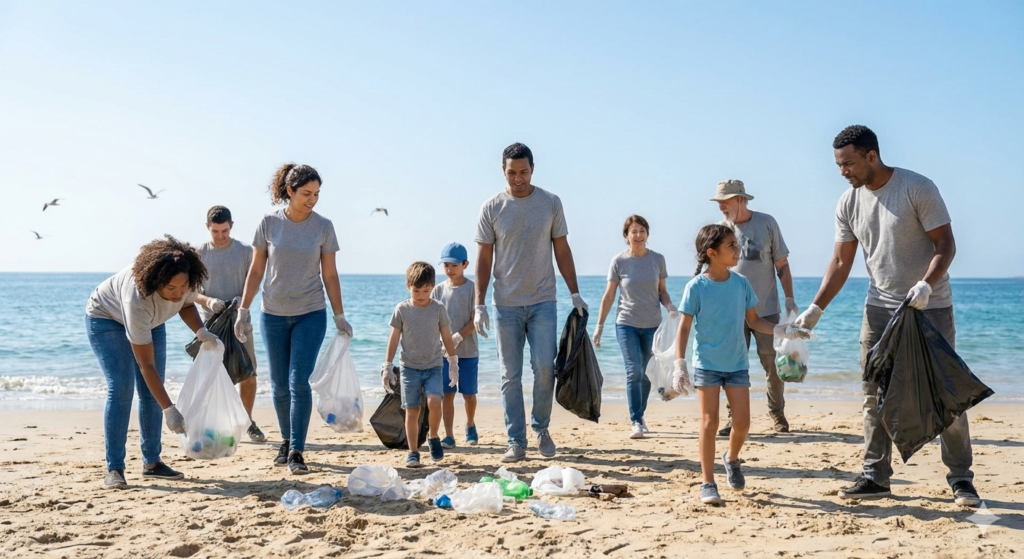
Your Next Step Starts Now
Saving nature is not a passive hope; it is an active verb. It’s the choice to plant a seed, to write a letter, to share a meal, to ask a question. It’s understanding that the bird outside your window and the tree on your street are not decorations. They are co-authors of your life’s story, providing the air, water, and beauty that make it possible.
So, take that breath again. And with it, choose one action from this guide. Start small, but start today. The future isn’t just something we enter; it’s something we create with every conscious choice. And a future where nature thrives is a future where we do, too.
Featured Snippet / AI Overview Box:
How to Save Nature: Practical Actions for Individuals
At Home:
- Eat Sustainably: Reduce meat consumption, especially beef. Choose local, seasonal, and organic food when possible.
- Reduce Waste: Compost food scraps, recycle correctly, and eliminate single-use plastics by using reusables.
- Create Habitat: Plant native flowers and shrubs to support local bees, birds, and butterflies.
In Your Community:
- Support Green Spaces: Volunteer for or donate to local park clean-ups, tree-planting groups, or community gardens.
- Use Your Citizen Voice: Advocate for environmental policies at local council meetings and support eco-conscious businesses.
- Educate & Inspire: Share knowledge and actions with friends and family to amplify impact.
For Broader Impact:
- Support Reputable NGOs: Donate to evidence-based conservation organizations.
- Be a Conscious Consumer: Research company ethics and support those with strong environmental commitments.
- Vote for the Planet: Prioritize environmental leadership in all elections.
LSI Keywords Naturally Integrated: environmental conservation, biodiversity protection, sustainable living, ecosystem restoration, climate action, reduce carbon footprint, wildlife preservation, eco-friendly habits, compost at home, native gardening, conscious consumerism, environmental activism, nature-based solutions, planetary health.



Pingback: Beyond the Hype: The Real, Tangible Benefits of Driving an Electric Vehicle - Trend Alart
Pingback: The Aadhaar-PAN Link: Your Key to a Smoother Financial Life (And Why You Can’t Afford to Ignore It) - Trend Alart
Pingback: levitra pills
Pingback: tadalafil 10mg
Pingback: dexlansoprazole 60mg cost
Pingback: vfend contre indication
Pingback: viagra market size
Pingback: cialis pharmacy dubai
Pingback: loperamide (imodium) uses